Medical Equipment and Its Role in Strengthening Healthcare Systems
Medical equipment is a critical factor in building strong and effective healthcare systems. These tools enable healthcare providers to deliver accurate diagnoses, efficient treatments, and continuous patient care across different medical settings. As populations grow and health needs become more complex, the importance of reliable medical equipment continues to increase.One of the main contributions of medical equipment is its role in improving healthcare accessibility. Modern equipment has become more compact and portable, allowing medical services to reach rural and underserved areas. Mobile diagnostic units, portable ultrasound machines, and handheld monitoring devices enable healthcare workers to provide essential services outside traditional hospital environments. This accessibility helps reduce health disparities and ensures more people receive timely medical attention.
Medical equipment also supports standardization in healthcare delivery. When hospitals and clinics use certified and calibrated devices, they can maintain consistent standards of care. Standardized equipment reduces variation in diagnosis and treatment, leading to more predictable and reliable patient outcomes. This consistency is particularly important in large healthcare networks where multiple facilities serve diverse populations.
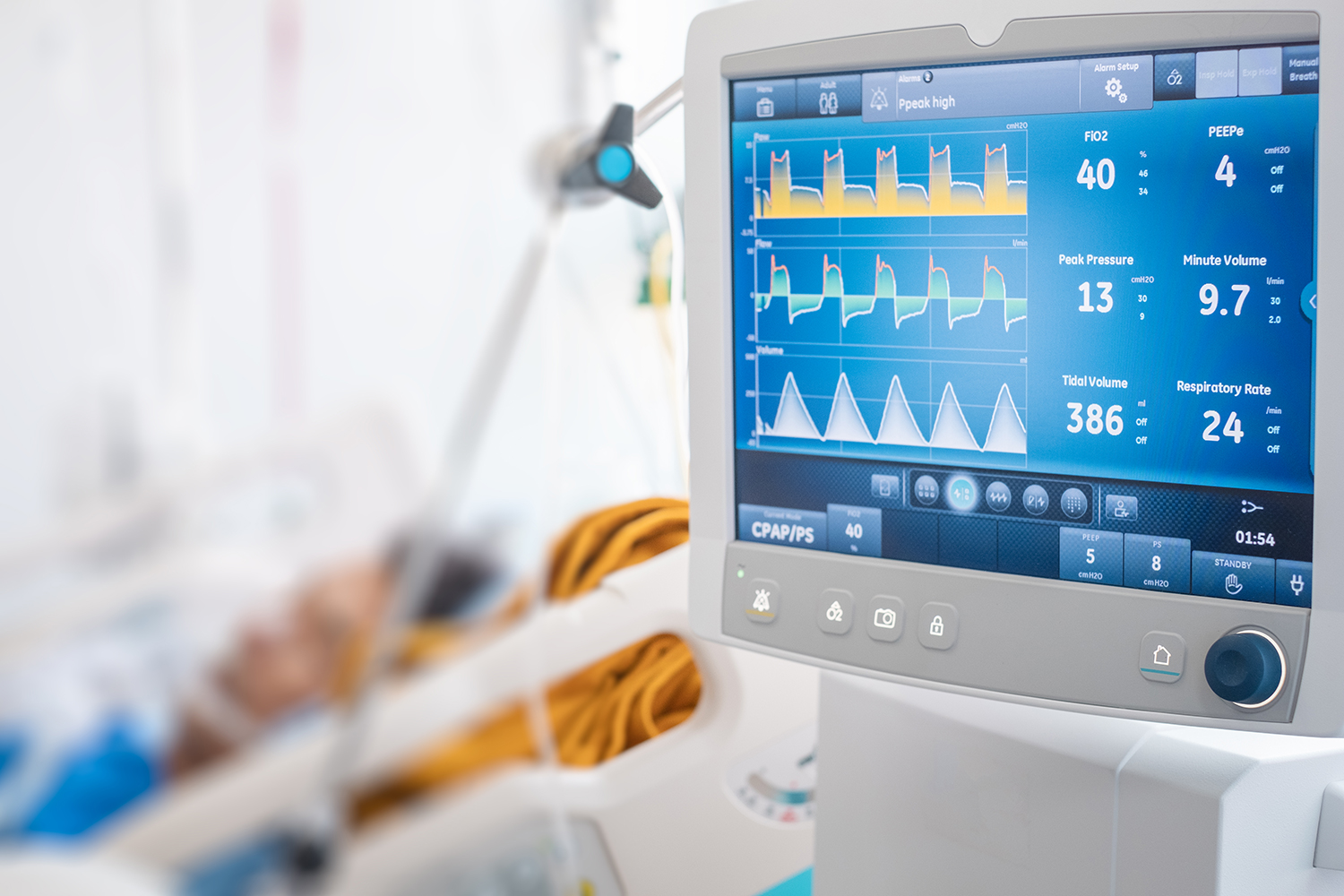
In medical treatment, equipment plays a central role in supporting advanced therapies. Cancer treatment devices, dialysis machines, respiratory support systems, and rehabilitation equipment help manage complex and chronic conditions. These tools allow patients to receive long-term care with improved comfort and efficiency. Advances in medical technology have also reduced treatment duration and minimized side effects, enhancing patient quality of life.
Another important aspect of medical equipment is its impact on healthcare efficiency and cost control. Automated systems reduce manual labor, speed up procedures, and decrease the likelihood of errors. While high-quality equipment requires initial investment, it often leads to long-term savings by improving operational efficiency, reducing repeat procedures, and shortening hospital stays.
The safe use of medical equipment depends heavily on training and competency. Healthcare professionals must be well-trained in operating devices and interpreting results correctly. Continuous education ensures staff remain up to date with new technologies and safety protocols. Proper usage not only protects patients but also extends the lifespan of equipment.
Looking ahead, the future of medical equipment is increasingly focused on digital integration and data-driven care. Devices connected to electronic health systems allow real-time data sharing and remote monitoring. This connectivity supports preventive care and early intervention, reducing the burden on healthcare facilities. Please visit flat panel detector supplier in guangzhou for more details.
In summary, medical equipment plays a vital role in strengthening healthcare systems by improving accessibility, standardization, efficiency, and patient care. As technology advances, well-managed medical equipment will remain essential to delivering high-quality healthcare worldwide.